Top 10 Insulation Companies in Japan - Leading Manufacturers & Suppliers

In a country where freezing winters and humid summers are the norm; insulation is far more than just a construction detail. It is the backbone of comfort and energy efficiency. From the bustling skyscrapers to the industrial heartlands, advanced insulation materials are vital for reducing carbon footprints and keeping operational costs low. Whether it is keeping a home cozy or ensuring an electric vehicle's battery stays at the optimal temperature, the right insulation makes all the difference in modern Japanese life.
Which Are the Most Preferred Insulation Companies in Thailand?
The chart below reflects ViewGates proprietary brand popularity ranking methodology, based on a combination of internal analysis, survey insights, consumer preference signals, search trends, digital visibility, publicly accessible industry data, and other comparative indicators. Rankings are independently evaluated and updated by the ViewGates Editorial & Research Team to deliver credible, research-backed insights.
Role of Insulation in Japan’s Construction and HVAC Sector
Insulation became necessary in Japan’s building and HVAC industries, as it provides energy efficiency, temperature regulation, and soundproofing, especially given the nation’s varied climate. In homes and commercial spaces, insulation reduce the dependency on heating and air conditioning, enhancing energy efficiency and decreasing operating expenses. In HVAC systems, insulation plays a crucial role to enhance the energy efficiency, controlling airflow, and reducing noise, making it vital in both residential and industrial settings. As the cost of energy increasing then Japan started prioritizing sustainable development, insulation has grown more important for adhering to environmental regulations and lowering total energy use.
Overview of Top Companies in Japan Insulation Market-Product, Price Ranges, and Ideal Buyer
| Company | Best For | Price Range (USD) | Ideal Buyer |
| Asahi Fiber Glass Company | Fiberglass insulation and thermal panels | $45 – $120 | Construction firms, contractors |
| Sekisui Chemical Co., Ltd. | High-performance building insulation systems | $60 – $150 | Real estate developers, architects |
| Nichias Corporation | Industrial and fire-resistant insulation | $55 – $145 | Power plants, factories |
| Kaneka Corporation | Advanced foam and polymer insulation | $65 – $160 | Automotive and building manufacturers |
| Owens Corning Japan | Residential and commercial fiberglass insulation | $50 – $135 | Home builders, wholesalers |
| Saint-Gobain Japan | Sustainable thermal and acoustic insulation | $60 – $155 | Infrastructure companies |
| Kingspan Insulation | Rigid boards and high-efficiency insulation | $70 – $180 | Commercial project developers |
| Rockwool Japan | Stone wool fire-safe insulation materials | $65 – $170 | Industrial and construction buyers |
| Armacell Asia | Elastomeric insulation for HVAC systems | $55 – $150 | HVAC contractors, engineers |
| BASF | Chemical-based insulation foams and solutions | $70 – $190 | Industrial manufacturers |
Customer Decision Factor Ratings of Top Insulation Companies in Thailand
Key Considerations That Influence Consumer Choices While Choosing Insulation Companies:
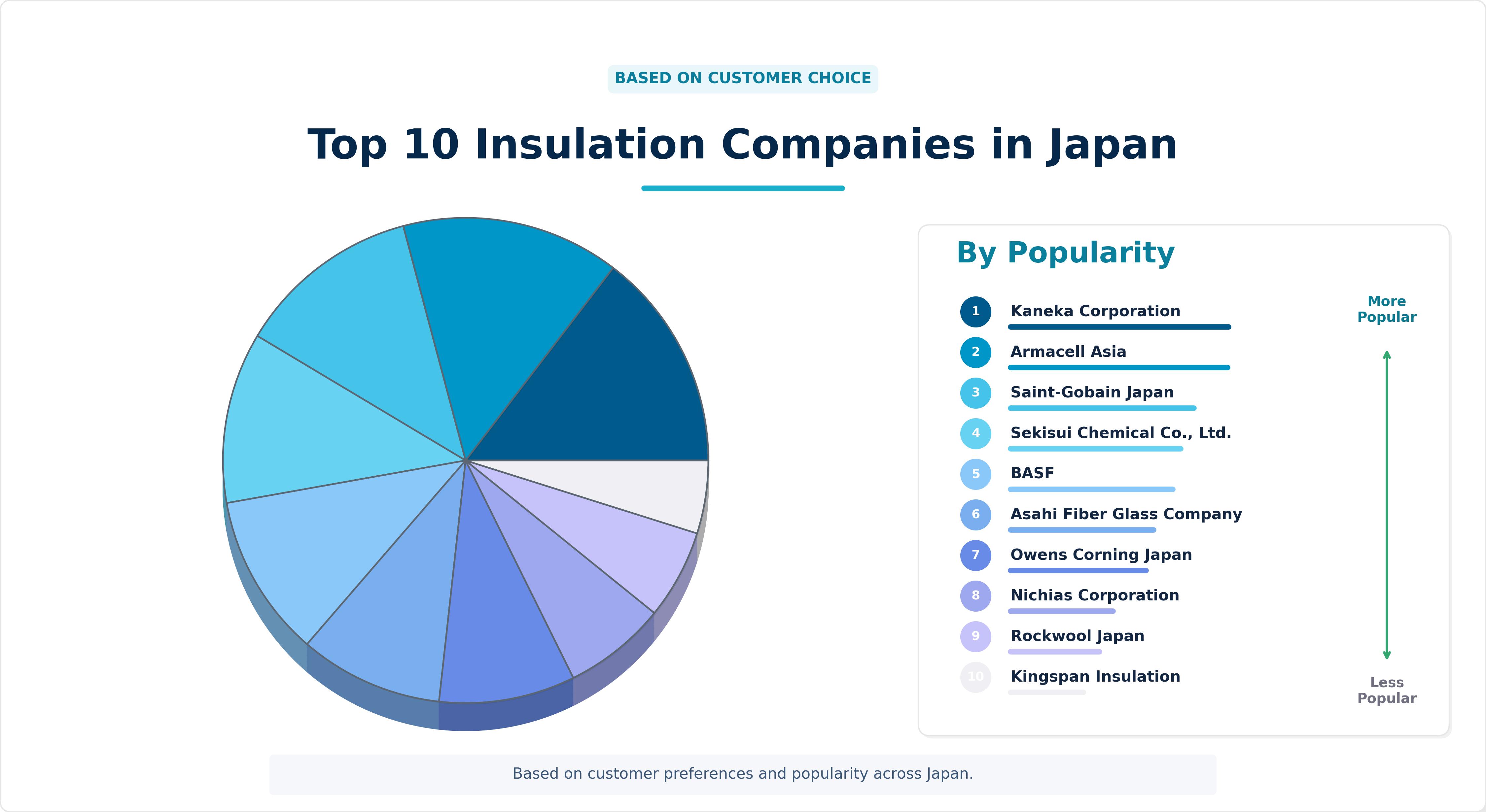
Why Choosing the Right Insulation Companies Crucial?
The construction and industrial sectors require insulation materials which must deliver consistent performance together with energy efficiency and mechanical strength for extended periods. Insufficient insulation leads to heat loss which creates problems with moisture and other issues while also driving up energy requirements and making environments less secure. Japanese insulation suppliers who operate their businesses with reliability standards dedicated substantial resources to:
- High Thermal Resistance
- Fire and Moisture Protection
- Acoustic Performance
- Energy-Efficient Manufacturing
- Long Service Life
- Environmental Sustainability
- Logistics Ready for Projects
Selection of an appropriate supplier will improve the energy efficiency, reduce operation costs, support regulatory compliance, and offer better performance for buildings and industries.
Insulation Usage Trends: Embracing Insulation Solutions
- As smart homes and buildings become more common, advanced insulation materials are being used to support energy-saving technologies to a major extent.
- With eco-friendly construction practices, insulation solutions that contribute to energy savings are in high demand.
- The government's emphasis on energy efficiency regulations for homes and businesses is driving a surge in the adoption of superior insulation materials.
- As construction projects become more complex, insulation suppliers are providing tailored solutions that meet the specific needs of various industries.
- The nation's dominance in electric vehicle manufacturing is driving demand for insulation materials that boost battery efficiency.
How to Choose the Best Insulation Supplier?
The buyer must evaluate technical performance and legislative support and supply reliability and long-term cost efficiency before selecting an insulation supplier in Japan. The following elements are included:
- Material Quality – The quality of the material they are offering must be top-notch for optimal performance and durability.
- Consistency – Opt for a supplier who is recognized for consistently delivering reliable products.
- Product Range – Select a supplier with a diverse range of insulation options to cater to different project needs.
- Logistics Support – They must offer domestic delivery & project handling services as per your needs.